
Why Watching Dance Is One of the Most Important Things You Can Do as a Dancer
Dance does not grow in a vacuum.
As dancers, what we see directly shapes what we believe is possible. It affects how we move, how we train, and how we understand the art form on a much deeper level than we often realize. If the only dance you experience is what exists in your studio, your perspective will only stretch as far as that environment allows.
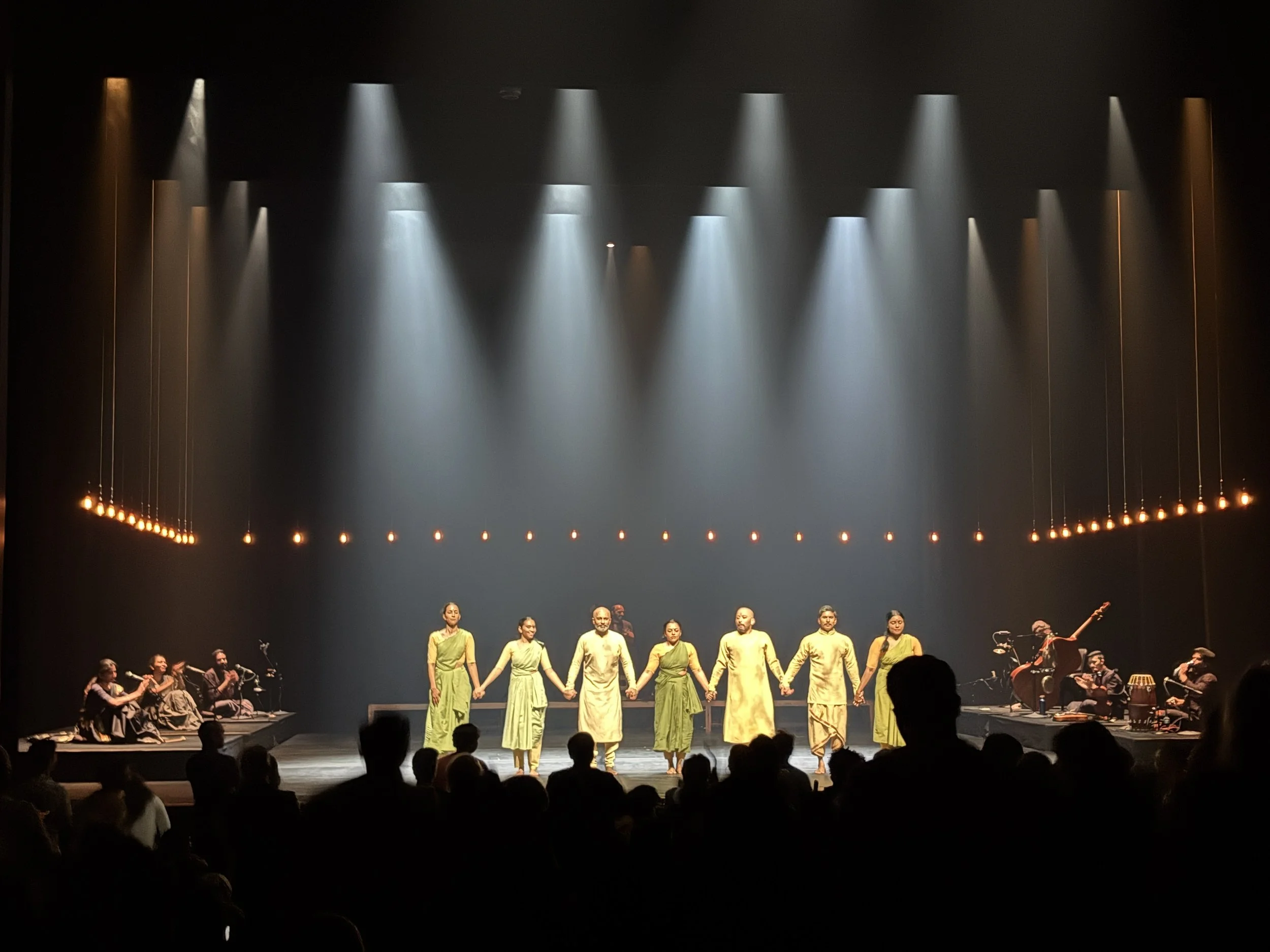
Me and my wife Isabella going to see Akram Khan at the Kennedy Center.
In Lancaster County, dance can feel like a vacuum. Professional companies do not consistently come through to perform. Because of that, it becomes difficult to stay inspired and to fully understand what dance can be beyond the local level. Over time, that absence quietly shapes the culture.
The result is that dance can start to feel contained. It becomes something you do during your school years, similar to how some families approach karate. It is taken seriously while it lasts, but there is little awareness of what exists beyond it or how it can continue after graduation.
That is not because dancers here lack ability or potential. It is because they lack exposure.
Watching high-level dance matters.
I was fortunate to attend George Mason University’s Dance program, which not only brought in world-class guest choreographers, but also had a performing arts center that presented some of the best dance companies in the world, including Alvin Ailey Dance Theater, Mark Morris Dance Group, Martha Graham Dance Company, Kyle Abraham’s Abraham.In.Motion, and Alonzo King LINES Ballet, among many others.
I remember being blown away seeing Michael Montgomery, a dancer with LINES Ballet, and thinking that he looked like me. For the first time, I could envision a greater version of myself.
When I saw Abraham.In.Motion, I experienced contemporary/modern dance set to hip hop music in a way I had never seen before. The dancers moved with a distinct swagger. I felt something emotional watching the work. That experience has stayed with me, and I still strive for that same sense of flow and presence in my own movement and in the work I create with my company.
In the early years of my training, these companies and guest artists shaped the foundation of my expectations—both of myself and of what dance could be. I carry those experiences into how I run the studio, the way I teach classes, and the work I create today.
Going to see top-level companies perform shows you what technique looks like when it is fully developed. It shows you what commitment looks like over years of training. It shows you what it means to be present, responsive, and fully invested in the work. It gives context to everything you are being asked to do in class.
Without that context, corrections can feel abstract. With it, they start to make sense.
Because of this, it is something I care deeply about as a teacher and studio owner.
Every year, we make it a priority to take our students to see a professional dance performance. Not because it is extra. Not only because it is a fun outing. Not only to have an excuse to get Chickfila. But because it is essential to their development.
I want our dancers to sit in the audience and see what this looks like at a high level. I want them to feel something. I want them to be challenged. I want them to see what is possible beyond what they experience week to week in class.
Those experiences stay with you. They shape your expectations. They raise your standards. They give meaning to the work you are doing in the studio.
Watching dance also challenges your expectations. It expands your taste. It forces you to confront what you don’t yet understand. That is where growth begins. You start to see details you have never noticed. You begin to recognize qualities you want to develop. You start to understand the difference between doing steps and actually performing.
It also connects you to something larger than your own training. You begin to develop your own voice as a dancer.
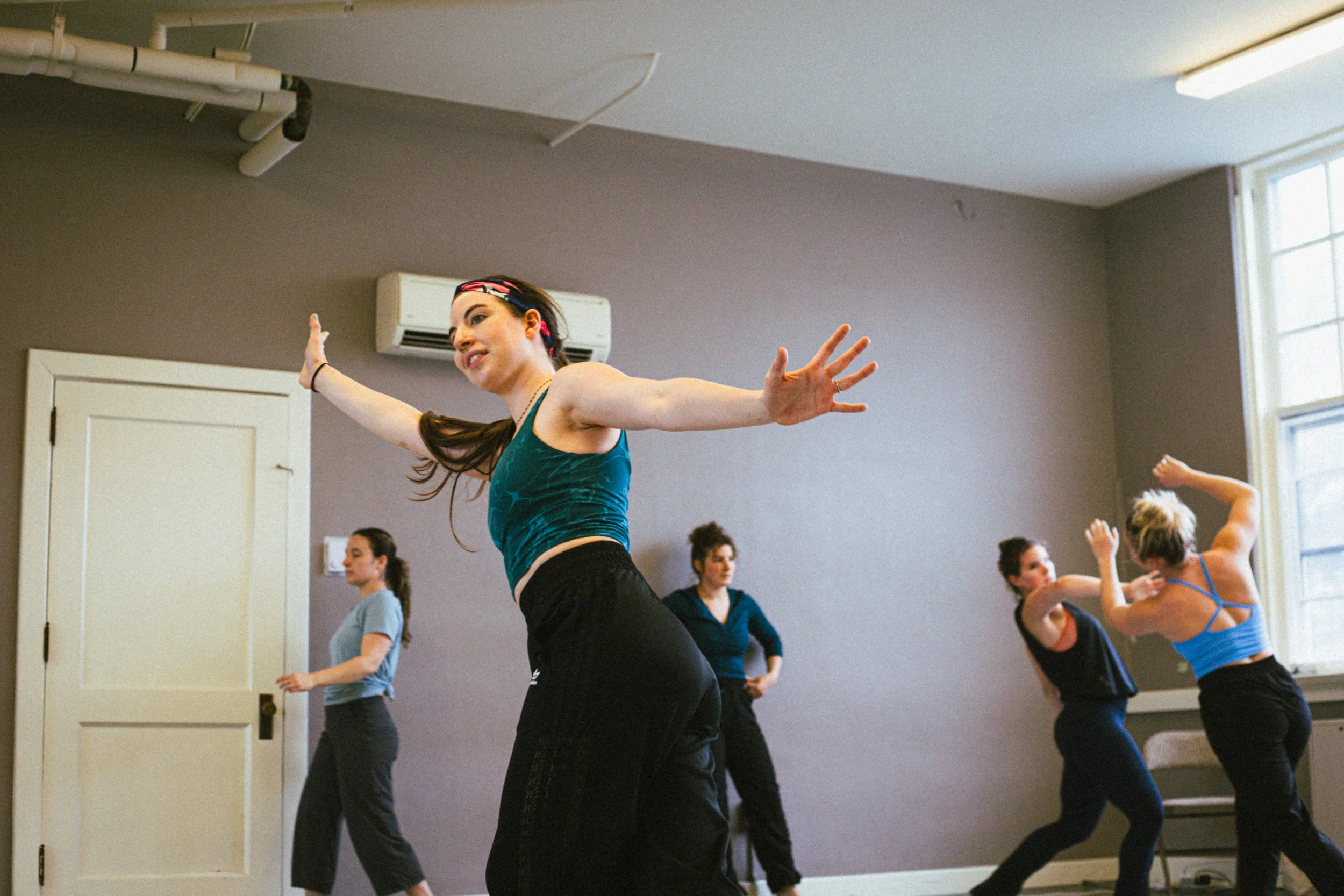
Isabella in rehearsal with Luna Dance Company.
When I envision my students at Susquehanna Dance Center—kids who have danced since they were three-years-old, adults who have just started their dance journeys, and all the students in-between—I am reminded of the genuine value this art form holds at every stage of life. I share these reflections to encourage students to continue their pursuit of dance in whatever way life allows.

Isabella teaching Level A2/B Ballet
Instead of being frustrated or disappointed at the limited opportunities to perform, or all the movements my body cannot execute perfectly, I am learning to have gratitude for the way that dance continues to be present, challenge me, and foster growth in my life. This is something we strive to communicate to our students and by experience, I believe it has made me a better teacher. Students are not limited to only one path when it comes to dance. It's not about fitting into a mold but instead, letting dance evolve into whatever it needs to be in each season of our lives.
It is a gift to move the bodies that we are given no matter how that might change over time. The restrictions, the aches and pains, the exhaustion, and the mental fog are evidence of how challenging dance can be, on top of the existing challenges of daily life. I have felt the temptation to give it up and questioned whether I should continue performing. But I am constantly amazed at how strong and resilient our bodies are when we choose to push through. This is the type of sacrifice that leads to so much reward. In every season of life, dance teaches discipline and fortitude; it fosters creativity and confidence. These are values I continue to learn myself, ones that I hope my beautiful daughters will absorb, and what I will strive to pass on to each student I have the privilege to teach.