On Training: Commitment is a Skill
“Commitment is staying and persisting.”
In dance, and in life, growth belongs to those who remain with the work long enough for it to change them. Progress does not reward intensity in short bursts. It rewards consistency over time. The dancers who grow are the ones who keep showing up, even when the excitement fades and the work becomes repetitive or even difficult.
My last article talked about how to work in the classroom. The next step is showing up consistently to the classroom to do the work. That is the only way true, lasting growth in dance occurs.
In today’s culture being multi-faceted is prized and seen as the ideal. We all want to be really good at many things. The reality of that mentality is robbing us of growth and development in the things that might need more time but will be well worth the focus and time spent towards that thing.
In this article I want to define what commitment is, list the benefits, give a look at the ideal, and what lasting effects the discipline of commitment will have on a dancer’s life after the studio.
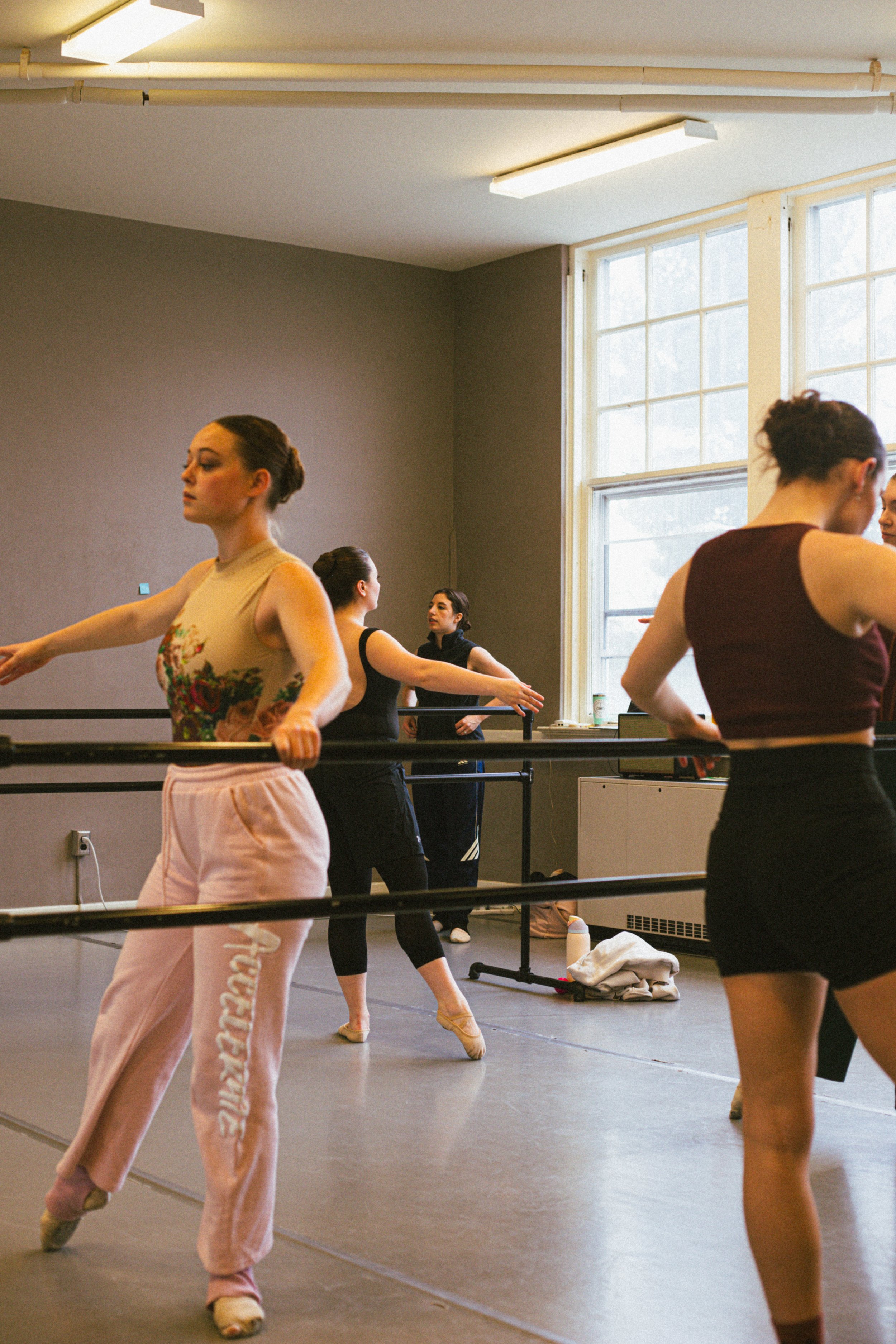
Commitment is showing up to class week after week and being mentally and physically present in each class with the intention to sharpen yourself. It is saying no to other things because you said yes to something else. At our studio we can confidently say that dancers improve in both confidence and technical skill in six months of steady attendance. When that dancer shows up consistently, our teachers are able to excel in their jobs by applying focused, experienced instruction in order for growth to follow.
The most disappointing pattern we often see from dancers who spread themselves too thin are that they begin to lose their joy and eventually step away. What once felt exciting begins to feel like another obligation. Disengagement follows. Skipped classes follow that. Confidence declines. Eventually, some step away entirely.
As teachers, this is difficult to watch. We see so much potential in our dancers and we know what they are capable of if they stay long enough to develop it.
Commitment builds something deeper than technique. It builds resilience.
I would rather a dancer step away from dance because they have discovered a clear passion elsewhere than remain in dance half-engaged. I have spent years in both athletics and the arts, and the greatest value of extracurriculars is not the medals or performances but the life skills developed in a structured environment. Discipline. Follow-through. Patience. The ability to stay when things feel difficult. Outside of these structured environments, those lessons carry heavier consequences and higher stakes.
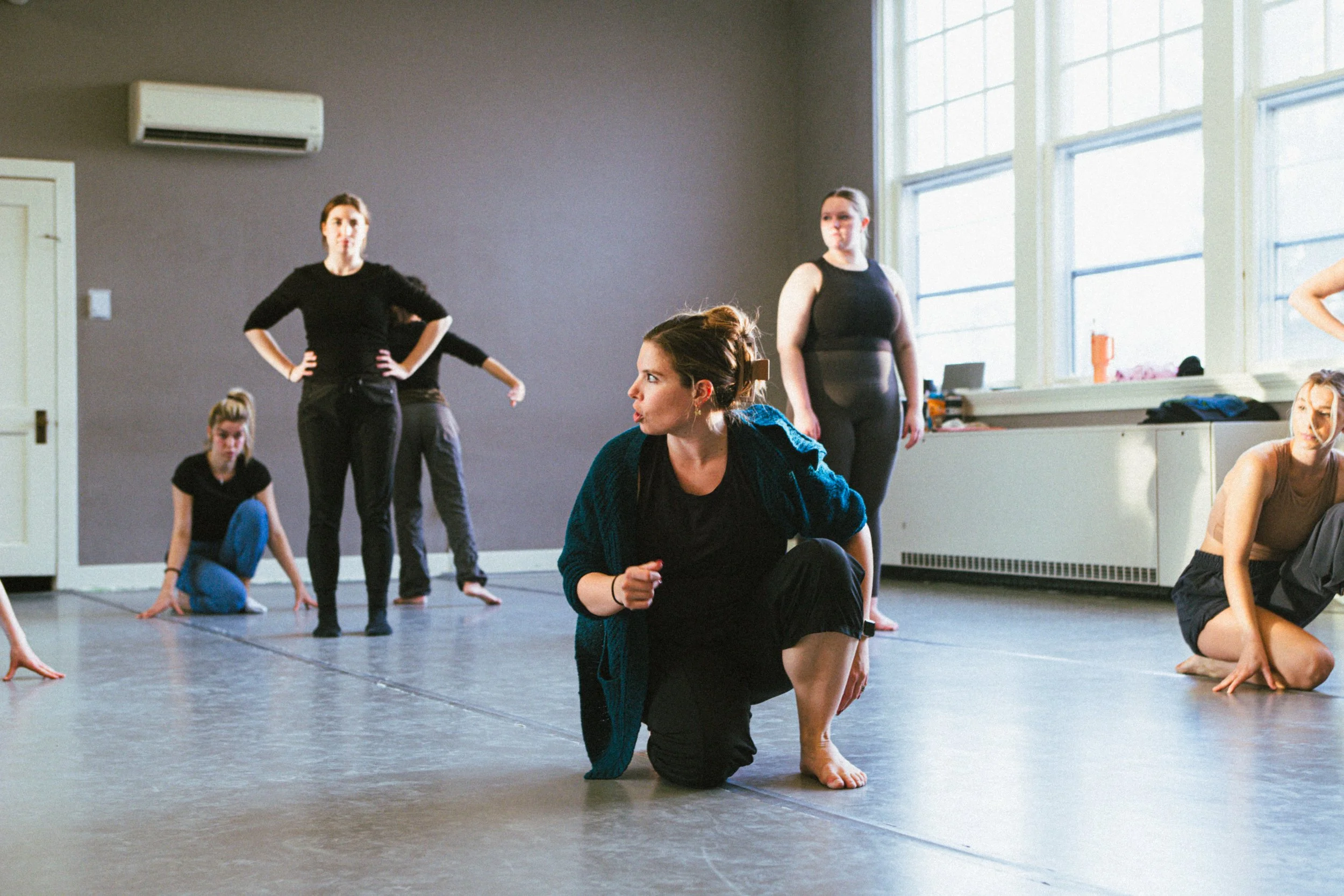
Now let’s visualize ourselves in the ideal: Picture a dancer who shows up every week. They are present. They apply corrections. They endure repetition. They move through discouragement and return to the next class ready to try again. Over time, something shifts. Confidence grows, technique deepens and mental fortitude develops. When a dancer is in this picture it is almost energizing for the teacher as well as for the rest of the class! Any teacher would agree that having a dancer that shows up physically and mentally is one of the best things in the world. With their attitude and ready-to-work mentality, it inspires and pushes us as teachers to give them more and more.
To the dancer:
Dance can be hard. You will feel stuck at times. The goal is not perfection. It is learning what to do when you feel stuck. It is finding satisfaction in steady growth and continuing to build your skills in service of the art form. This is where you can find joy in working hard and the satisfaction of progress. Trust us as teachers. We want to see you improve and please feel free to approach us if you are feeling stuck.
To the parent:
Your role in encouraging follow-through and protecting commitment is one of the most important influences in your dancer’s development. Prioritizing consistency teaches a skill that will outlast their time in this studio. When you help them show up, even on the days that you don’t feel like dropping them off, they are tired or discouraged, or when you prioritize their dance classes you are shaping who they are becoming. You are teaching them lessons that will shape their success in life.
Commitment is not glamorous but it is steady. It is one of the most valuable skills a dancer can learn. And it takes commitment from all of us to help our dancers reach their potential.