On Training: Learning How to Work
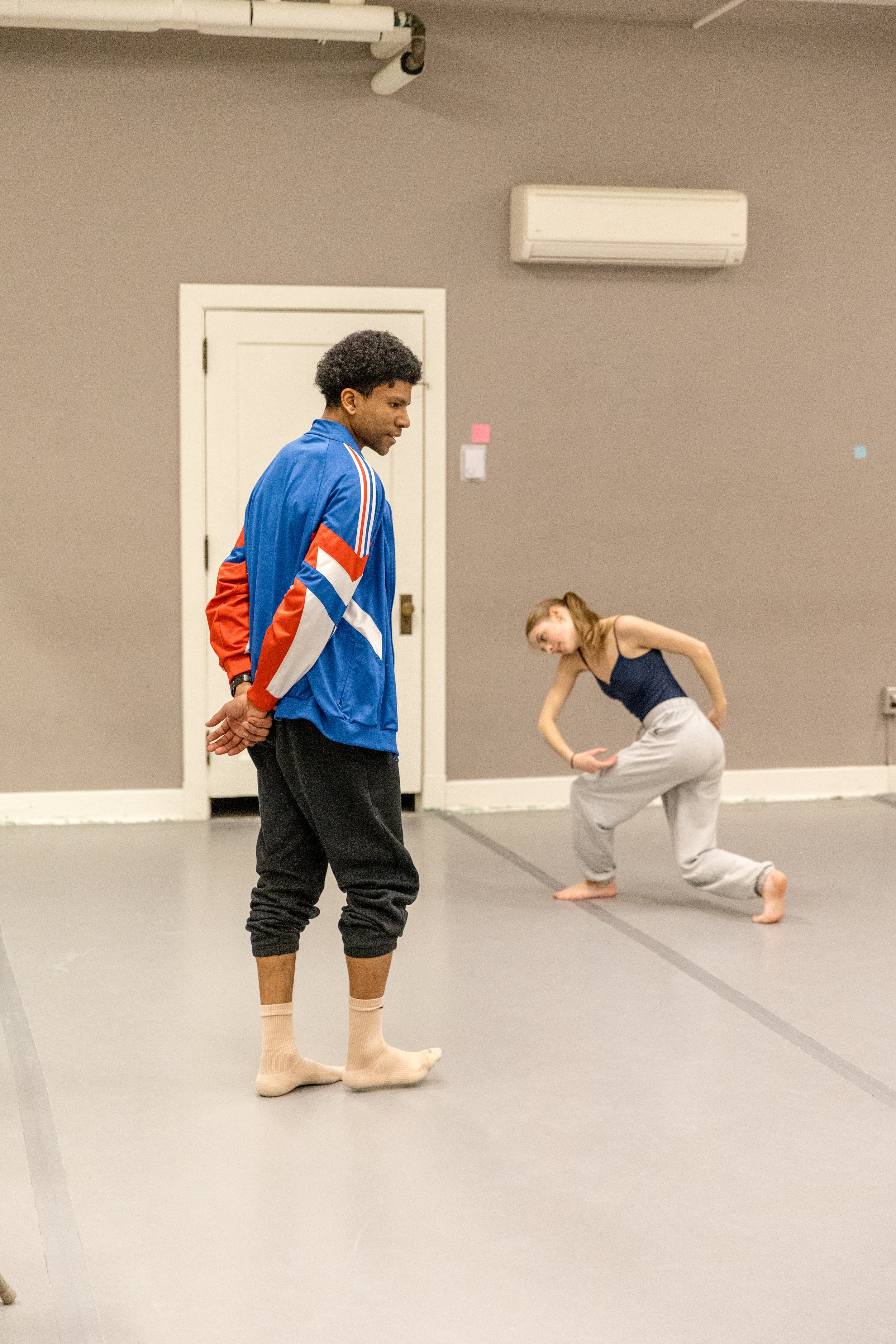
“The goal of dance technique is to be a generous vessel for choreographers and musicians. When you study ballet and modern forms deeply, you are building a toolbag. Strength, coordination, musicality, clarity, and range of motion all become tools you can draw from to bring ideas, music, and stories to life.”
Dance training isn’t about how quickly you can move through the levels, but about mastering the tools each level has to offer.
One of the most common questions we hear in the studio is about leveling up. When will I move forward? What do I need to do to advance? These are fair questions. Wanting to progress is a healthy part of training. And yes, especially in the early stages, we are paying attention to a dancer’s technical ability. Fundamentals matter. Alignment, coordination, musical awareness, and physical capacity all play a role in how a dancer develops.
Our teachers are highly trained and experienced in ballet and modern techniques. As stated in our Philosophy, “We care deeply about passing on the traditions and training methods that were taught to us, with as much clarity and detail as possible.” At the same time, we are not interested in a one-size-fits-all approach. “Our responsibility is to teach the student in front of us, to challenge them thoughtfully and efficiently, and to meet them where they are both physically and mentally.”
What is often harder to develop than technique, however, is focus.
Focus is not just the ability to pay attention. Focus is the ability to listen to corrections and stay open to them. It is showing up week after week with consistency. It is applying notes over time, not just in the moment. It is taking risks without shutting down. It is contributing to the learning environment through presence, effort, and respect for the teacher and the other dancers. These are foundational skills that not only carry dancers through each level, but into any occupation they may pursue. This is one of the reasons the dance studio environment is so unique and powerful.
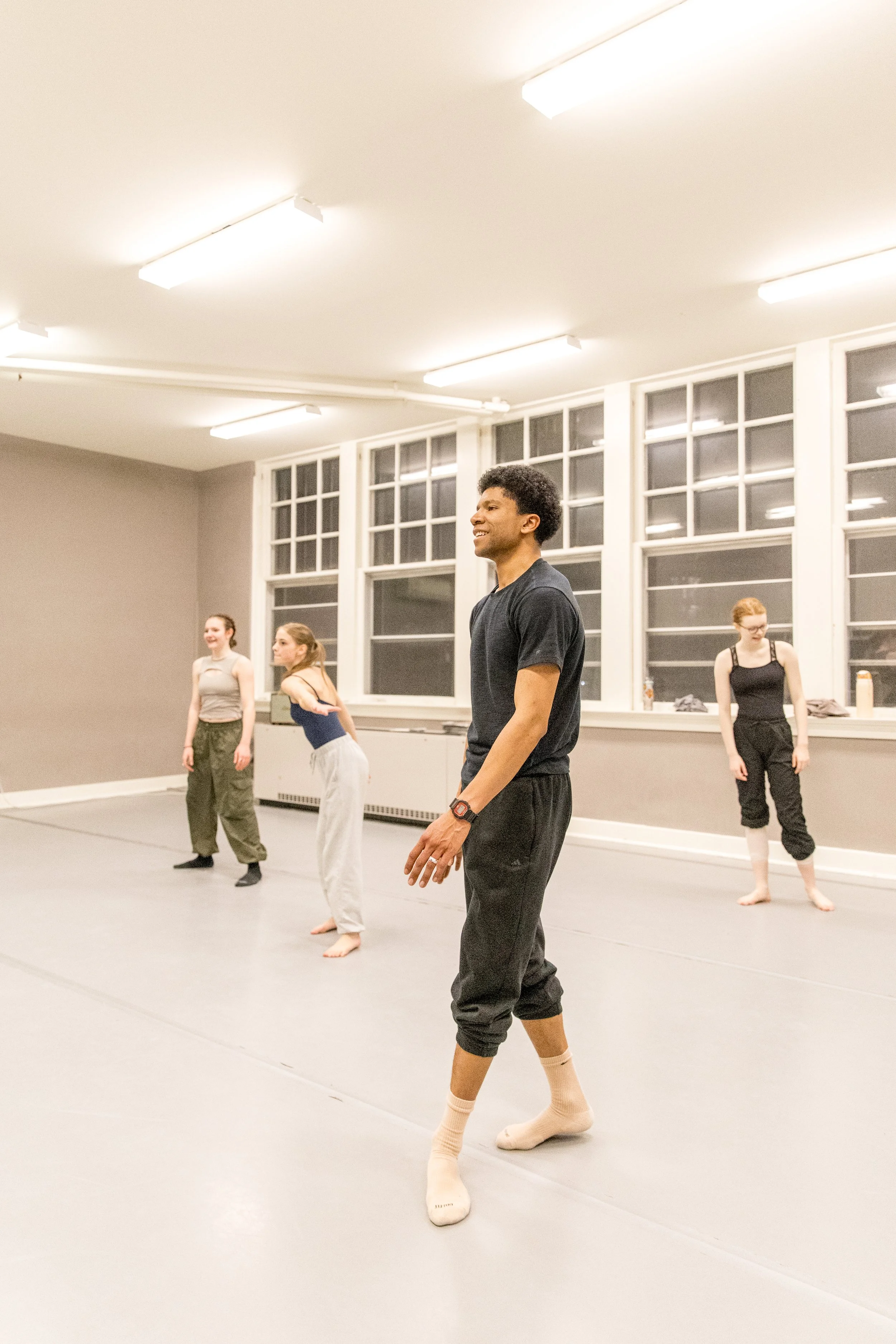
In the early stages of training, many dancers are still learning how to focus well. They may have physical ability, but struggle to absorb feedback, stay engaged, or remain consistent when the work feels challenging. This is not a failure. It is part of learning how to work. Focus takes time to develop, and it often develops more slowly than visible technical markers.
This is where leveling decisions are sometimes misunderstood. Advancement is not a reward for being talented. It is a response to readiness. A dancer who demonstrates consistent focus is showing that they can handle increased complexity, responsibility, and challenge. Moving someone forward before those habits are in place often does not serve them. It can create unnecessary pressure or frustration in an environment they are not yet ready to navigate.
This is exactly the perspective we take at SDC. We would rather a student take the time to develop the right habits than place them in a more advanced level simply because their peers are there. Our focus is not on getting students through the levels quickly, but on mastery. Think of it like cooking something on low heat for longer; it comes out tender, flavorful, and fully developed, rather than rushing on high heat and burning the process. On the other side of that, a student may show flashes of talent and potential, but what often holds them back is the ability to focus well enough to demonstrate those qualities consistently.
This philosophy closely reflects the professional dance world. At that level, everyone is talented. Technical skill is assumed. What separates dancers is how they work in the room. Choreographers and directors look for dancers who are responsive, adaptable, and generous. People would rather work with someone who listens, applies information, and contributes to the process than someone who is gifted but disengaged or self-focused.
In this sense, training is not about proving how good you are. It is about becoming useful.
Each level of training offers specific tools and expectations. Mastering a level means learning how to focus within it fully before moving on. When dancers invest in what their current level has to offer, growth becomes deeper, more stable, and more sustainable.
If progress feels unclear, the right question to ask is, “Why am I not moving up yet?” The question itself is rarely the issue. The response to the answer is what matters most.
Like receiving notes in class, advancement requires more than understanding what needs to change. It requires the awareness to take that information and execute it consistently. Often, the reasons a dancer is not moving up are the same skills they are still developing in class: focus, consistency, and how fully they engage with the work week after week. Leveling decisions are not separate from training. They are a continuation of it.
Advancement reflects not just what a dancer can do, but how well they respond to what they are being asked to work on.
Our role as teachers is to recognize what a student is ready for, to challenge them appropriately, and to guide their development with clarity and intention. That perspective is shaped by years of training, experience, and time spent working with dancers at many stages of growth.
The most important thing to walk away with is this: questions are welcome. Asking why progress looks the way it does is part of being invested in training. What matters just as much is the willingness to listen to the answer and trust the guidance being given. When dancers and parents remain open to that feedback and allow experienced teachers to lead the process, the work in the classroom becomes clearer, more focused, and more effective over time.