
When I was in training to be a professional ballet dancer, I would always be annoyed when career paths other than the professional track were presented to me. I thought, “That’s for others, I’m going to make it.” And, in many senses, the laser focus on the goal was really necessary to get as far as I did.
But, after over 20 years as a movement teacher, I wish I would have given myself permission to really consider the many options training in dance could present. More importantly, the message I did not receive and I want every dancer now to get is that following career paths other than “professional performer” is not a failure. And, dance training uniquely positions you to have successful careers beyond performing.
The truth is, most performers have to work other jobs to stay afloat. Going into the profession keeping an open mind to where your career might lead doesn’t mean you don’t believe enough or you aren’t focused enough, it means you know that nothing lasts forever. And nothing is wasted. All of your hard work in the studio day in and day out makes you a gift to any future employer and builds the resilience you need to make it in any field.
Here are a handful of paths I’ve experienced. I encourage you to build your own future, rather than be beholden to someone else’s opinion.
1. Dance teacher
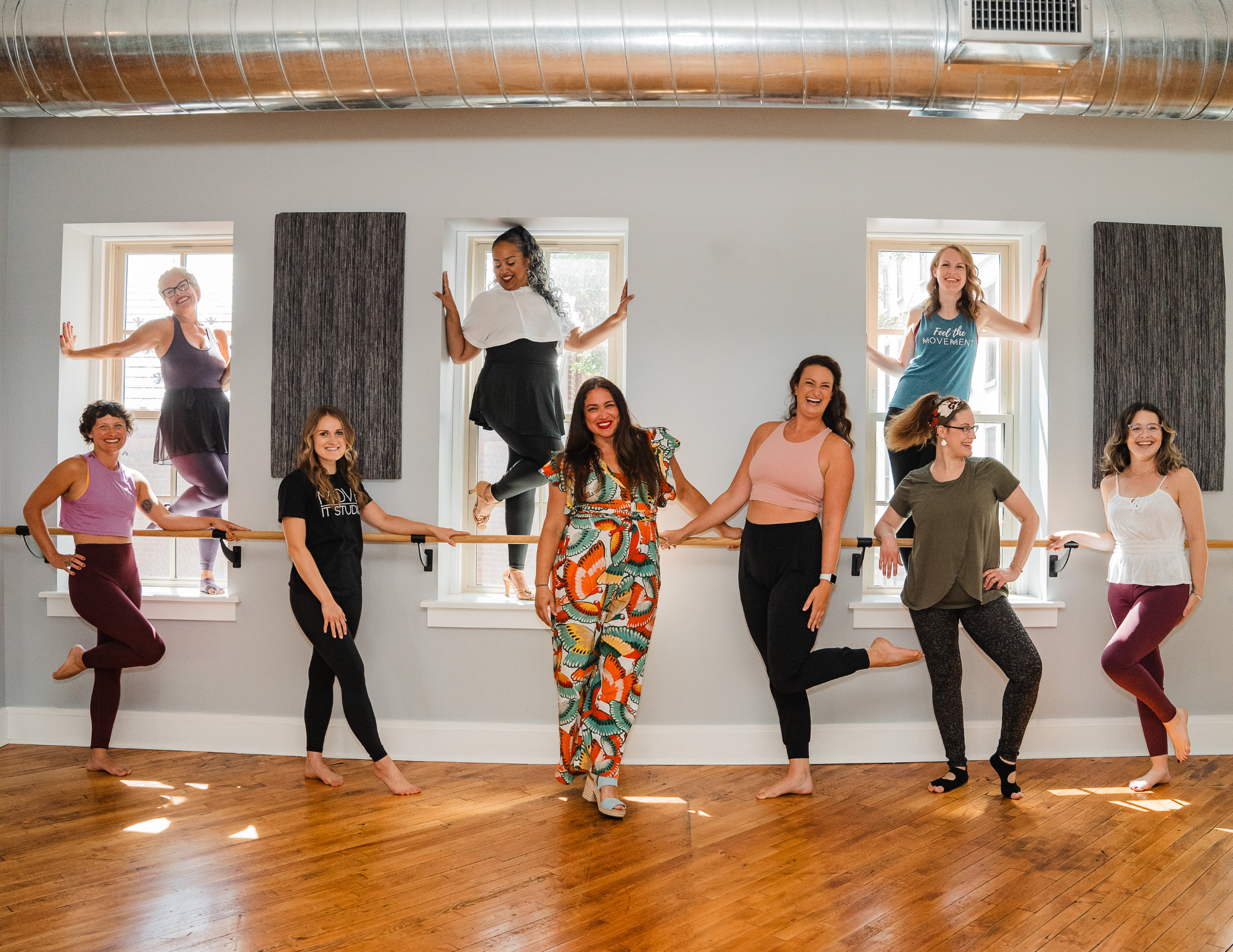
There is a shortage of well-trained dance teachers. If you are still training, but are interested in learning more about teaching, talk with your favorite teacher or studio owner. They will have good information and direction for you. They might even offer to have you assist. This can be a great way to gain experience to see if you’d like to pursue anything further.
There are also some great teacher training programs available depending on the technique and style you are aiming to teach. Credentials can be key if you plan to move out of an area where they know you, but references are powerful. If you want to teach at the college level you will need a Master’s degree, so keep that in mind.
When I was still a teenager, I had the opportunity to assist classes and participate in a scholarship program where I learned ballet terminology and how to write out combinations. That helped me in my training and I still use some of my favorite combinations when teaching today! What helped me most, was the training I got from so many excellent teachers at many programs around the country.
2. Choreographer
Not all dancers enjoy creating their own work. However, if you have interest in trying it out, talk to your teachers and find workshops that focus on choreography. Pilobolus has great trainings along with many other bigger and smaller companies. Musical theater productions need choreography regularly if you’re interested in that route. Does your school musical need a choreographer? Offer to help.
When I was an adjunct professor at Messiah University, part of my responsibility was to choreograph for the ensemble. I was glad that I had a good amount of experience by then and could confidently direct the students while creating something new.
Many studios require choreography for recitals and other performances. Don’t wait for permission, start creating and let that lead the way. It could lead to local opportunities or may point you in the direction of pursuing an additional degree like a Masters of Fine Arts to teach at the collegiate level.
3. Fitness Teacher
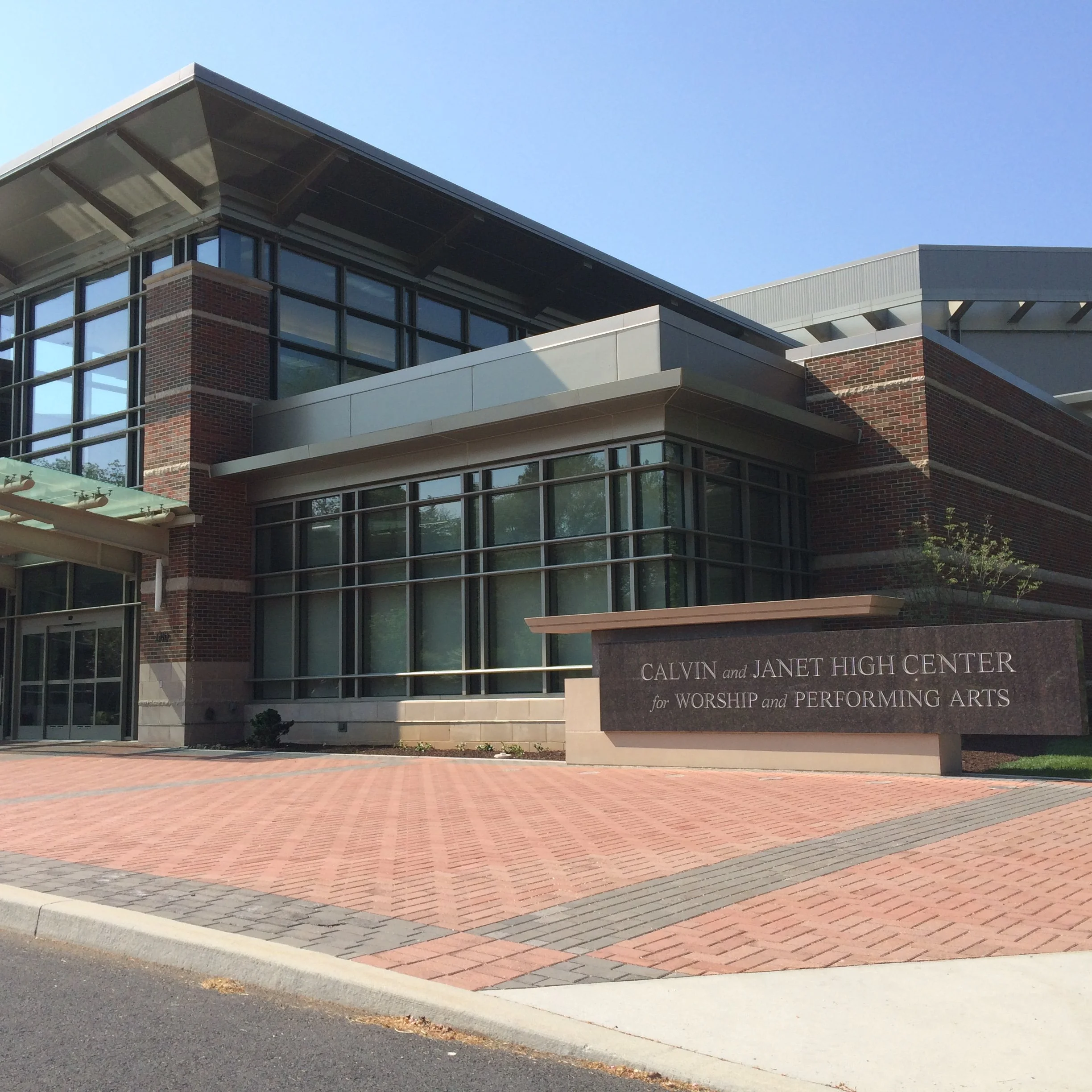
This is probably one of the most popular side jobs for performers. Dancers often cross train with various types of fitness. Joseph Pilates famously housed his studio in the same building as the New York City Ballet and went on to train many dancers as teachers to carry on his legacy. Although it’s an additional investment, getting some sort of certification in a movement style can support your body and your bank account.
There are a number of options for training today and fitness studios always need front desk help. Remember, franchises have bespoke trainings that only allow you to teach for them. If you are not choosing that route check out Balanced Body University.
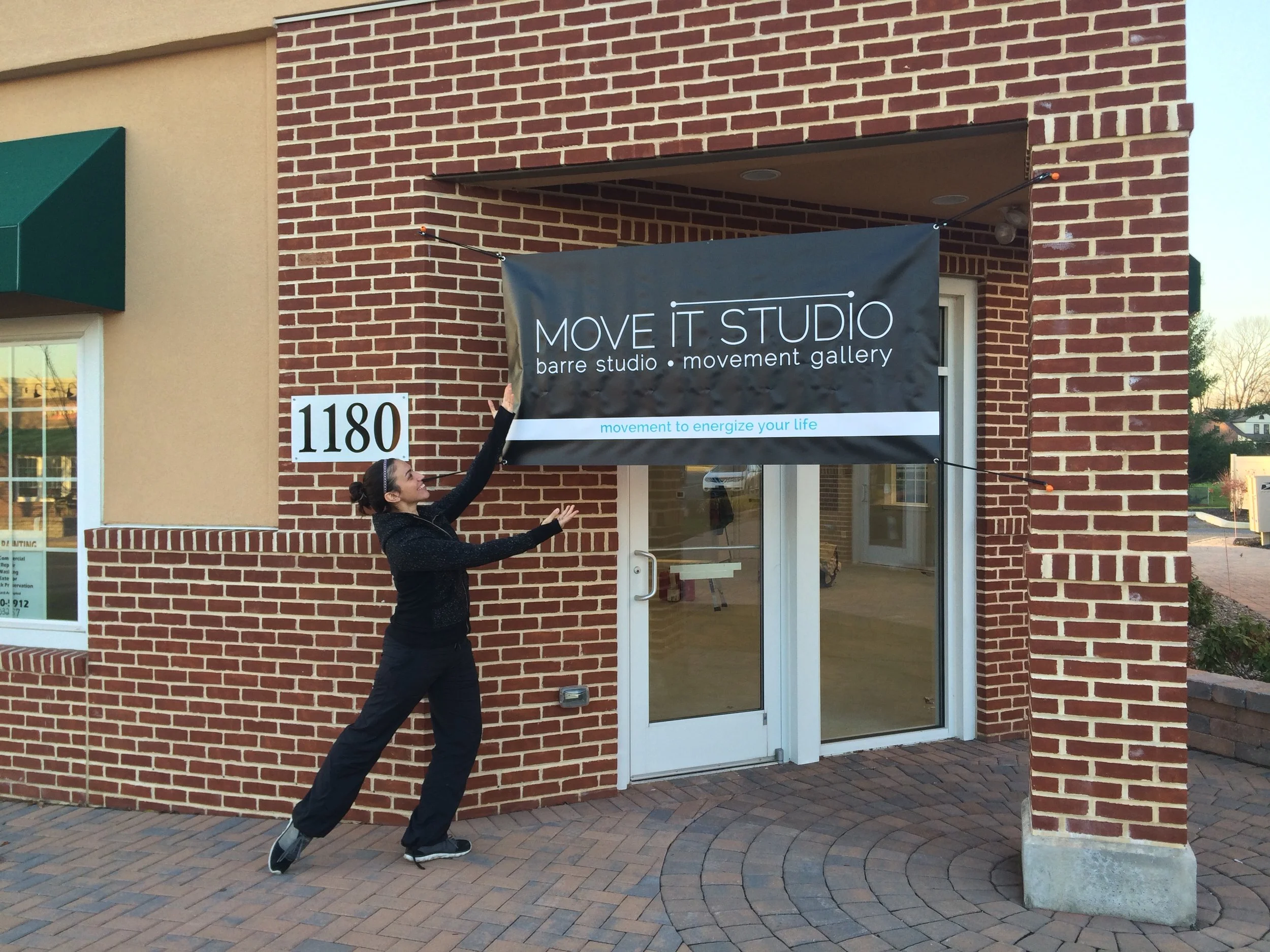
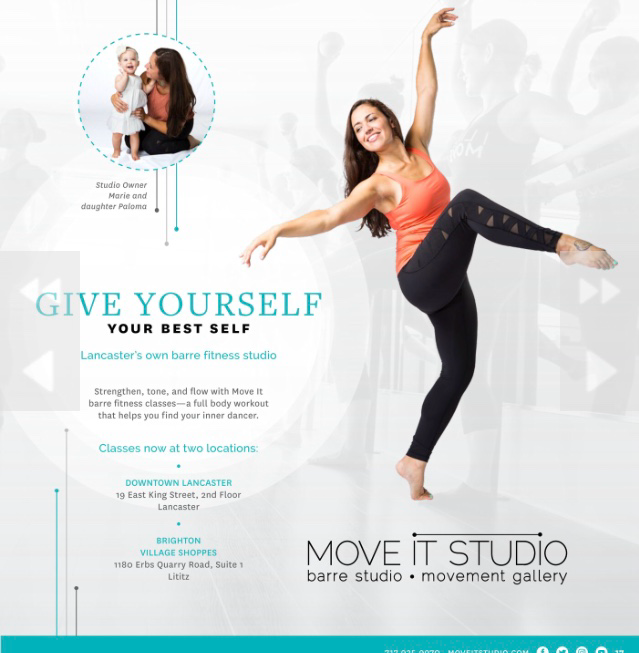
Although I started teaching dance at a young age, pursuing further movement education helped me to diversify my income streams and clientele, eventually leading to opening my own studio.
4. Small Business Owner
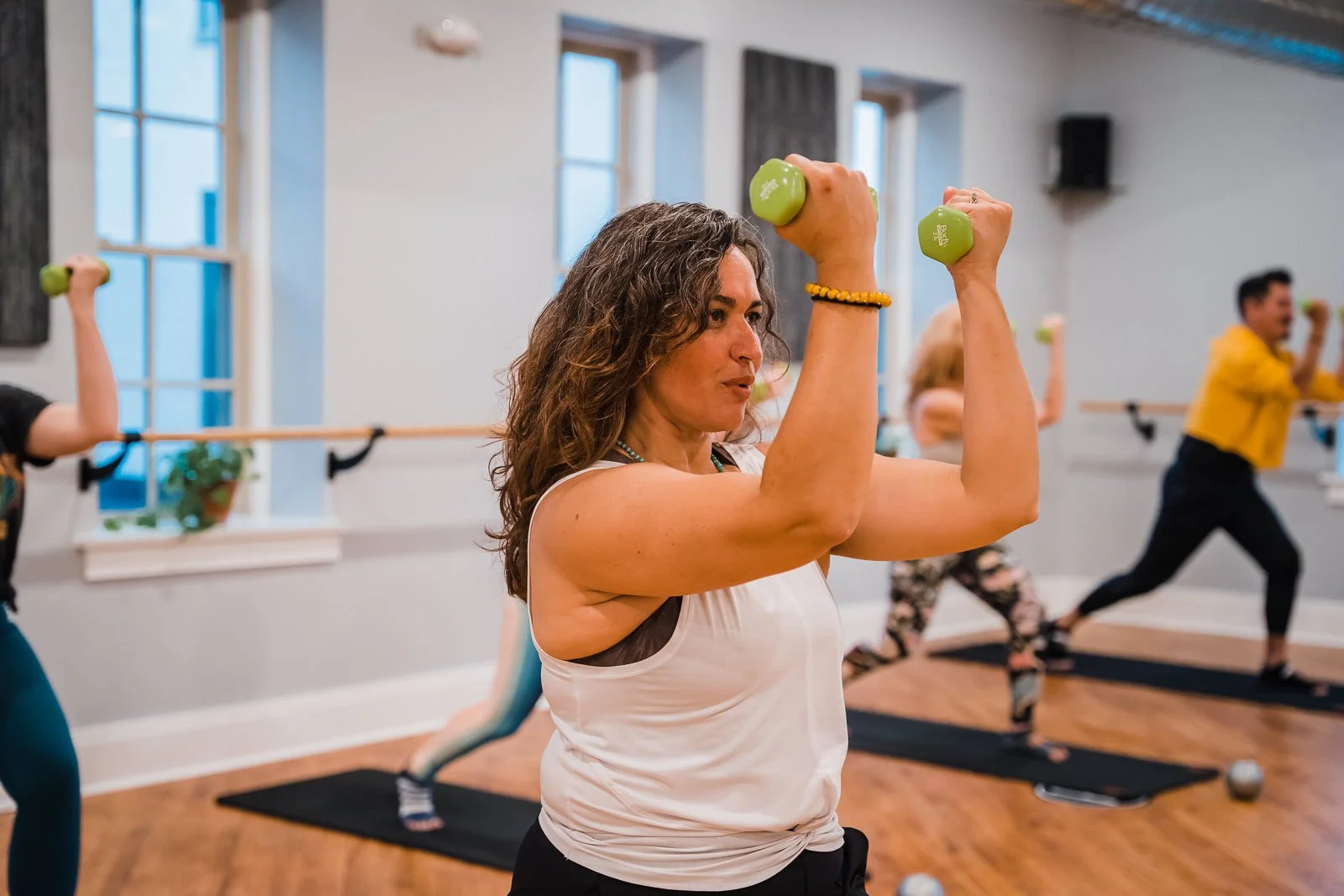
Often, dancers are made to feel that they don’t have what it takes to run a business. They get lumped in with the “flaky artist” stereotype and written off. Remember this, you know what it takes to have a vision and bring it to fruition. Whether you have choreographed a piece or been part of a production, you have played an active role in the exact process it takes to build a business.
There is an end product and a process to get there successfully. There are practicalities that need to be addressed along the way and a team that needs to be formed together. There are often uncomfortable challenges and dynamics to overcome. There is the need for both consistency and flexibility. All of those qualities comprise what it takes to be a small business owner.
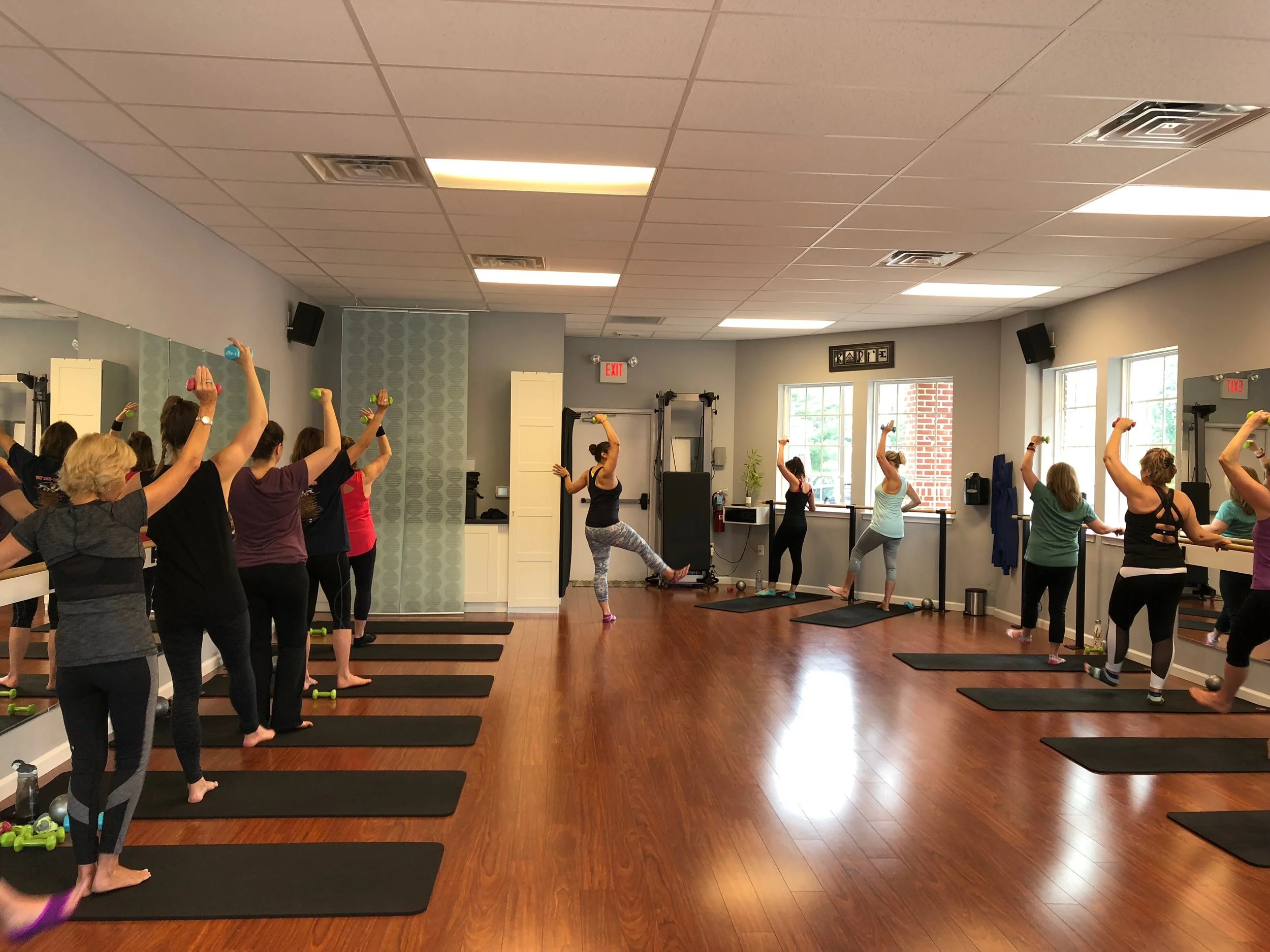
After creating a boutique fitness brand, training teachers, and running a studio for 10 years, I am convinced that all of the things I practiced as a dancer helped me to be successful. This can apply to any type of small business ownership or management.
5. Arts Administration/Nonprofit Management/Fundraising
I combined these because there are a bunch of possibilities here. Listen, even if you do become a professional performer, there are less and less full-time contracts. And, every arts organization needs help on the administrative side. Whether it is through leadership, administration, or fundraising, building these skills is critical to the success of any arts organization.
I chose to get a Master’s of Nonprofit Administration in my 20s because I knew that no matter what, I would always be involved with nonprofits. It has served me well in both volunteer and professional capacities.
Make a list of arts organizations you interact with already and talk with folks working in them to find out more. This includes private schools, colleges, social service organizations, libraries, dance companies, and more. Cause-based work often feels like a natural extension of being a dancer.
I currently work in philanthropy and often give presentations; my education combined with being comfortable in front of a group of people has been an advantage.


It takes a mental toughness to be a dancer. And it’s one that not many people understand. I encourage you to stay open to possibilities that present themselves along the way and to proactively continue your education. You don’t need to choose only one way. Make your career trajectory your own.
Regardless of the path you choose, or maybe the one you fall into, remember that there is more opportunity than you realize. Dancers are resilient and determined. They are trained to balance multiple competing priorities at once and to perform well in high pressure situations. Dancers believe in what they do and will do what it takes to accomplish their goals.
You are already ahead of the work force with these skills, remember you have what it takes to figure out what works best for you!