7 Benefits of Dance for Kids
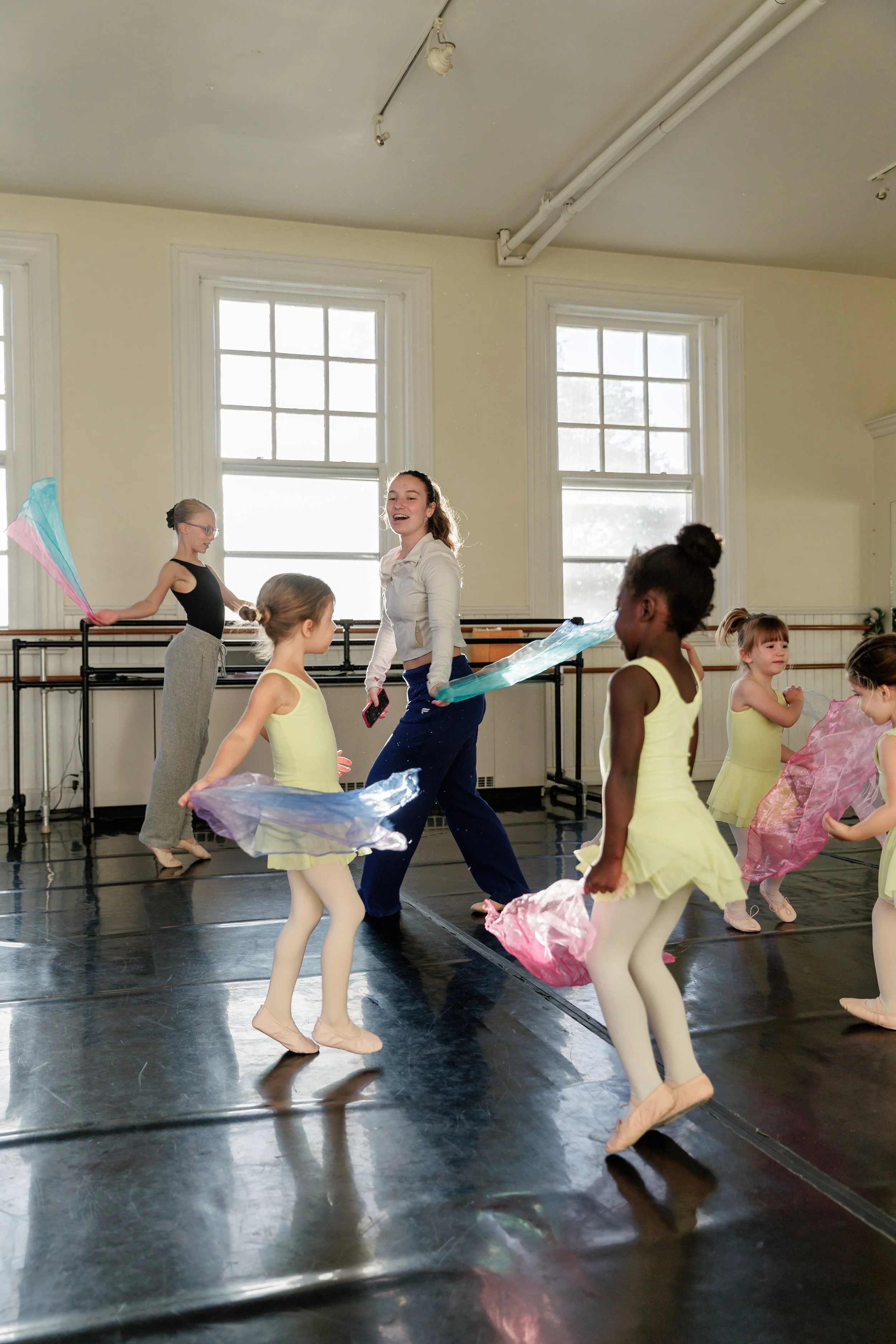
Dance is so much more than learning choreography or preparing for a recital. For kids, it’s an activity that supports physical health, builds confidence, and helps develop important life skills. In fact, research in areas like child development, psychology, and exercise science consistently shows that dance can have a positive impact on kids in many different ways. From stronger coordination to better social skills, the benefits often extend far beyond the dance studio. Here are seven research-supported reasons why dance can be such a great activity for kids.
7 Benefits of dance for kids
1. It Helps Kids Stay Active and Healthy
Dance is a great way for kids to get moving while having fun. Instead of feeling like exercise, dance feels like play yet it still provides many of the same physical benefits. Regular dance classes help build strength, flexibility, and endurance while supporting heart health. Studies have shown that structured dance programs can also help kids reach the recommended levels of physical activity for their age. Because dance uses the whole body, it also encourages good posture and overall body strength.
2. It Improves Coordination and Motor Skills
Learning dance steps requires kids to control their bodies in new ways. As they practice different movements and combinations, they begin to develop better balance, rhythm, and coordination. Research shows that children who participate in dance often see improvements in motor skills and body control. These skills are important not just for dance, but for sports, playground activities, and everyday movement. Over time, kids become more confident in how their bodies move.
3. It Strengthens Brain Development
Dance challenges the brain just as much as it challenges the body. Kids are constantly listening to music, remembering choreography, using their imagination, and adjusting their movements in real time. Studies suggest that dance training can improve important cognitive skills like memory, focus, and mental flexibility. These executive functions are closely connected to learning and academic success.
4. Confidence and Self Esteem
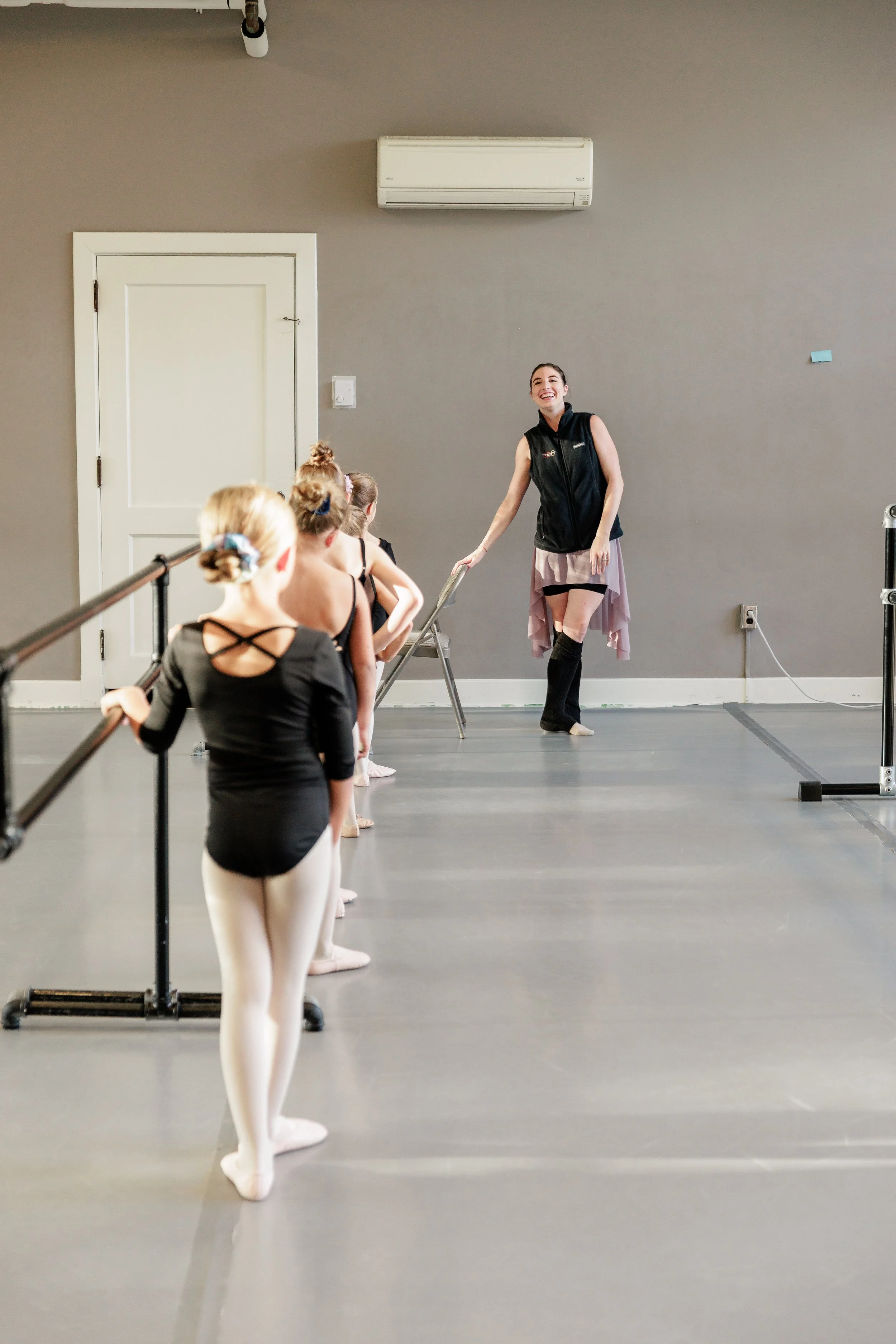
There’s something incredibly empowering about mastering a new dance step or performing in front of an audience. As kids progress in their dance training, they often develop a strong sense of accomplishment. As a teacher, one of the most rewarding experiences is watching a child master a step that they at one point did not think they could do. These teachable moments show kids they are capable of more than they think. It also demonstrates the importance of consistency and hard work leading to more confidence in their abilities. There are many instances where a child begins dancing thinking they are not capable of doing something at first and then sees first hand the direct correspondence between consistency and improvement. In other words the longer your child is involved in dance the more their confidence will grow. For many kids, dance class becomes a place where they feel supported, capable, and proud of what they can do.
5. It Encourages Social Skills and Teamwork
Dance classes are naturally social environments. Kids begin classes not knowing anyone in some cases and many times leave with new best friends and in many cases life long friendships. Kids work together in group choreography, learn from their teachers, and sometimes dance with partners. Even at the age of 3, dancers in class are sharing their names with one another, telling each other their favorite activities, giving highfives, dancing together, and learning from each other. It also encourages independence as dance class is sometimes one of the first cases where a child will be “away” from their parents or doing an activity independently. It helps them understand important social cues such as when to talk and when to listen and how to behave and interact in a group setting.
6. It Supports Emotional Well-Being
Dance gives kids a healthy outlet for their energy and emotions. Moving to music can help children release stress, process feelings, and improve their mood. In many cases kids come into class with a lot of pent up energy and throughout the class they get an opportunity to release that energy and chanel it into something positive. It is an excellent form of self expression and an important outlet to help the child relax, and express themselves.
7. It Develops Body Awareness and Spatial Awareness
One of the unique benefits of dance is how it helps kids become more aware of their bodies. Through practicing technique and choreography, dancers learn how their body moves and how to control it more precisely. Dance also teaches spatial awareness, which means understanding where your body is in relation to others and the space around you. These skills help with coordination, movement control, and even injury prevention. They’re also useful in everyday activities and other sports.
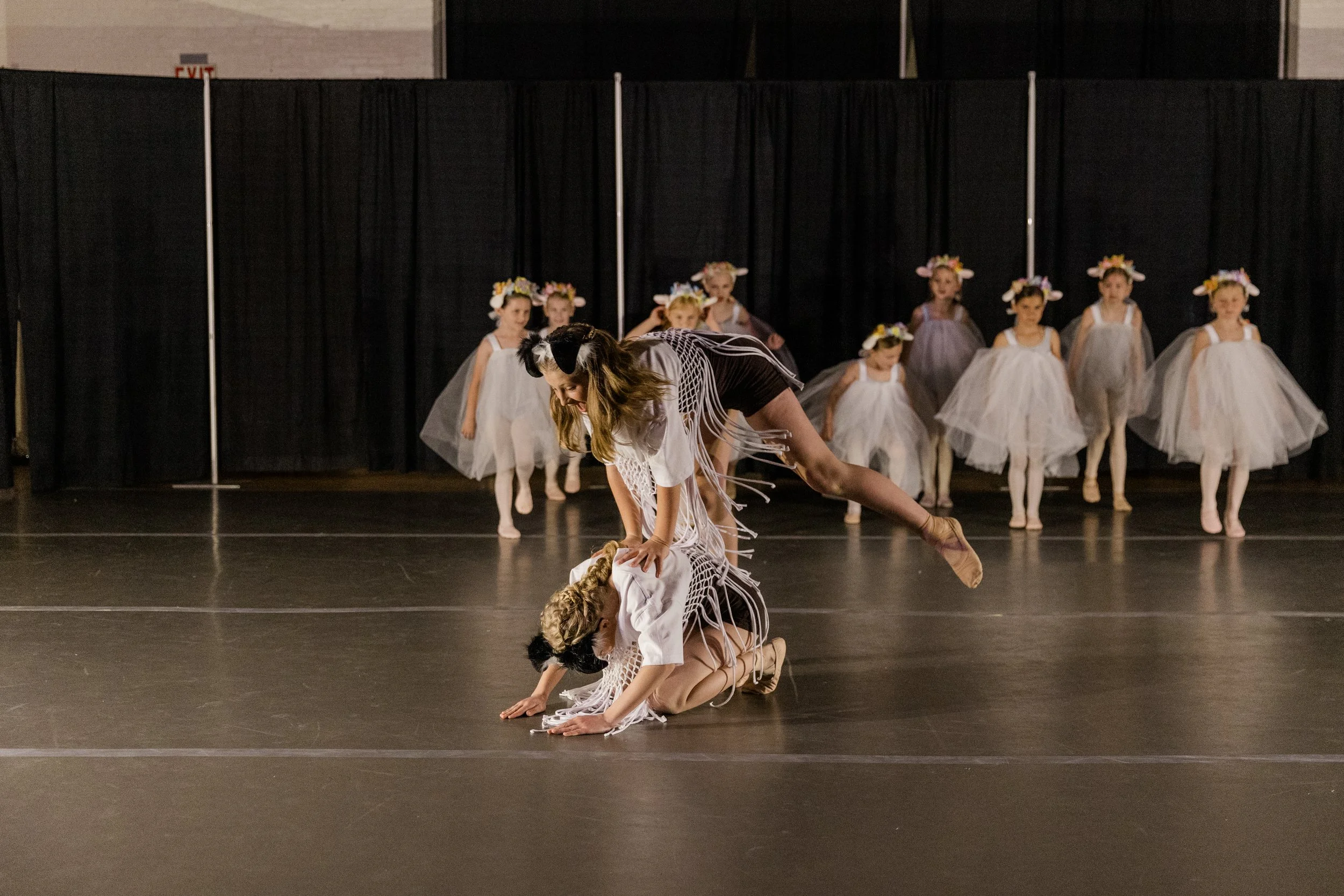
Dance offers kids so much more than the chance to perform on stage. It supports physical health, brain development, confidence, social skills, emotional expression, and body awareness. Perhaps most importantly, dance helps kids discover the joy of movement something that can stay with them for the rest of their lives.